Menopause And Urinary System Incontinence
Are Menopause And Urinary Incontinence Connected?: Rafael J Perez, Md, Facog: Urogynecologist
Hormone modifications have a straight influence on urological wellness in Get more information both males and females. These shifts influence the bladder, prostate, and urinary patterns by impacting muscle stamina, nerve level of sensitivity, and organ feature. When hormones like testosterone, estrogen, and others come to be unbalanced, they can bring about issues such as overactive bladder signs and symptoms, bladder control concerns, and modifications in prostate health and wellness. Nevertheless, the ideal therapy depends upon the specifics of your scenarios, so it's important to deal with your doctor to establish what works best for you.Pelvic Floor Physical Therapy
Maintaining your pelvic flooring and core in tip-top form can help to avoid and alleviate bladder troubles and enhance your pelvic floor muscular tissues throughout perimenopause. Way of living adjustments can play a major function in managing hormone-related urological concerns. Consuming alcohol enough water maintains the urinary system healthy, yet staying clear of high levels of caffeine and alcohol can decrease bladder inflammation. Comprehending how hormonal agents manage these systems aids clarify common signs that occur with age, maternity, or menopause.- The "excellent" microorganisms (Lactobacillus) that normally exist around your vagina eat glycogen found in vaginal mucus.
- We're successfully obstructing the circulation of urine and avoiding complete emptying.
- Urinary incontinence is usually brought on by problems with the muscles and nerves that help the bladder hold or pass urine.
- Maintain a diary of your signs and symptoms, any type of triggers that make urinary incontinence even worse, and the severity of your signs and symptoms.
- Incontinence can take place when the bladder muscle mass unexpectedly tighten and the sphincter muscular tissues are not solid sufficient to squeeze the urethra shut.
- It's thought about for people who can not be aided by other kinds of treatment.
Dr Karen Mann, Md
Considering that hormonal urinary incontinence can impact females differently, dealing with a healthcare provider can aid figure out the most reliable therapy strategy based upon specific signs and symptoms and health and wellness requirements. For added support, Byram Medical care offers a vast array of top notch incontinence items developed to aid you manage bladder leak conveniently and discreetly. From vaginal estrogen to non-hormonal drugs, pelvic floor treatment, or in-office treatments like Botox shots or electric excitement, you have choices. Taking care of urinary incontinence might require time, however with the appropriate support and treatment, lots of people locate actual alleviation. Menopause might bring obstacles, however it can also be a time to prioritize your well-being and really feel a lot more in control. Leading up to perimenopause, estrogen plays a crucial function in maintaining the bladder and pelvic flooring solid.In addition, natural aging can add to the loss of muscular tissue tone in the pelvic area, making bladder control harder over time. Childbirth, obesity, cigarette smoking, and specific chronic conditions like diabetes mellitus can likewise enhance the danger of developing urinary incontinence. Testosterone assists preserve prostate health, while estrogen affects the bladder cellular lining and pelvic muscular tissues. Both are essential for typical urinary system feature and decreasing threat aspects for heart problem and prostate cancer cells. But before reviewing therapy options, we'll initially take a look at the duty that estrogen plays in urinary system incontinence and urinary tract infections. Sometimes, urinary incontinence might be related to various other clinical problems beyond hormone modifications.
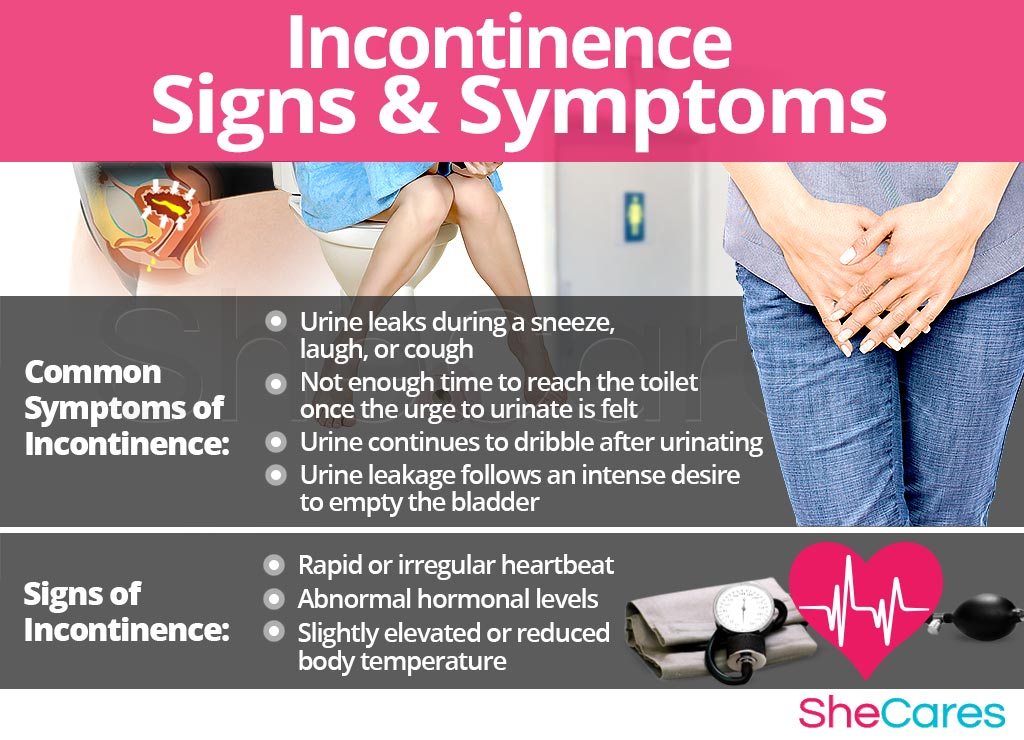
An urinary system tract infection (UTI) is an infection caused by fungis, infections, or germs in the urinary tract. Peing (peeing) generally cleans germs out of the body, but there are a variety of variables that can prevent overall cleansing, and may lead to a UTI. For those looking for different options, there are natural supplements for urinary incontinence that may supply assistance. While outcomes vary by individual, certain natural herbs and vitamins have shown promise. Tension incontinence occurs when you leak while lifting, coughing, sneezing, chuckling, or executing any type of activity that taxes your bladder. Advise incontinence is defined by an unexpected, solid requirement to urinate, commonly before you have time to reach the toilet.
The findings of this organized testimonial emphasize the intricacy and irregularity of UI amongst postmenopausal females. The frequency of UI among post-menopausal women ranged from 13.6% [11] to 84.4% [15], with an overall occurrence of 5394 (63.1%). Robinson and Cardozo reported that one of the most frequent concern during menopause is UI, which affects 50% of postmenopausal women [21] Tension incontinence comprises one of the most widespread sort of urinary incontinence.
For numerous females, straightforward day-to-day habit changes can help in reducing bladder leak and enhance bladder control. Way of life alterations are commonly among the very first treatment approaches advised for mild to moderate urinary system incontinence. As estrogen levels decrease with age or menopause, the cells around the bladder and urethra might end up being thin, completely dry, or less flexible, decreasing the urethra's ability to remain totally closed.